


Go-to Scrap Metal Recycling in Grande Prairie
Looking for trusted scrap metal recycling in Grande Prairie, Beaverlodge and the surrounding Peace Country? Count on Radius Metal and Salvage Ltd. With over a year of experience since taking over the scrap yard from a previously tarnished company, we want you to know that we're a different company. At Radius Metal and Salvage Ltd., we pride ourselves on our specialized expertise in site cleanup, honed over 12 years of dedicated service to our customers. As your one-stop service provider, we handle everything from demolition to site cleanup. Plus, we offer a unique service – we'll take your scrap and pay you for it! Whether you're a homeowner, farmer, mechanic, or part of the oil field industry, we're here to assist you.
We're actively seeking oil field scrap and expanding our services to include selling parts and equipment. Trust Radius Metal and Salvage Ltd. for all your salvage and demolition needs—we're committed to excellence from start to finish. Contact us for metal recycling solutions in Grande Prairie, including scrap collection, bin delivery, and organized recycling support.
Scrap Metal Handling Solutions
Radius Metal and Salvage Ltd. supports metal recycling in Grande Prairie by providing structured collection, transport, and processing of scrap metal.
Radius Metal and Salvage Scrap Yard
Scrap metal is received at the yard for weighing, inspection, and sorting. Materials are separated based on composition before being directed into appropriate recycling or processing streams.
Bins are provided for controlled on-site collection of scrap metal. Once filled, they are transported to the yard for sorting and further processing.
Demolition and On-site Cleanup
Metal waste generated during demolition work is collected directly from active sites. This includes the removal of structural metal, fixtures, and mixed debris to maintain clear working areas.
General scrap metal, such as steel, aluminum, and copper, is handled through weighing and segregation systems. Materials are prepared for recycling based on type and condition.
Agricultural metal waste includes equipment parts, fencing, and machinery components. These materials are collected from farms and processed through standard recycling procedures.
Construction-related metal waste, such as rebar, pipes, and framing materials, is gathered from job sites and transported for sorting and recycling.
This structure ensures consistent handling of scrap metal across different sectors while maintaining clear operational flow.

What We Buy
These are the products we accept. You can sell us:

Shred
-
Appliances
-
Autos
-
Tin/light metal
Oversized
-
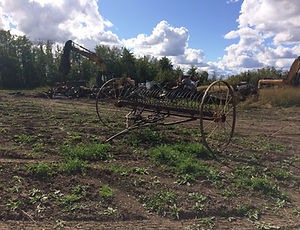
Farm equipment
-
Steel structures
-
Pipe
-
Fabrication scraps
-
Structural I-beam and tubing

Non-ferrous
-
Copper
-
Aluminum
-
Lead
-
Brass
-
Wire-stripped and insulated
-
Stainless steel
What Happens During a Scrap Metal Recycling Process?
The process of scrap metal recycling and transforming involves a lot of steps, including—
-
Gathering—It starts with gathering scrap metal from various places, such as construction sites and industrial areas. The waste includes old appliances, scrapped vehicles, and waste goods. These tasks are usually carried out by scrapyards, individuals, and others providing this service.
-
Sorting—After collecting the material, it is divided and categorized according to its type and quality. The metals are separated using a large magnet. Sometimes, sorting also includes some valuables and stainless steel materials.
-
Processing—Now, these sorted metals are prepared for the melting process. They are shredded into smaller pieces to a specific size suitable for the melting process.
-
Melting—The process of melting starts by putting the metals into the furnace. The type of furnace used usually depends on the type of metals used. During melting, contaminants such as paint, insulation, or coatings are burned off or removed through chemical processes.
-
Purification—After the metals are properly melted, the impurities are removed to achieve the perfect form. Refining methods like electrolysis, degassing, and fluxing remove impurities.
-
Solidification—When the impurities are removed, and the composition looks perfect, metals are cast into the moulds to cool down, take shape, and solidify. When they are completely ready, they are used as raw materials for processing new products.
-
Transportation and sale—The recycled metal ingots are transported to manufacturers who use them to produce new products, such as automobiles, appliances, construction materials, or industrial equipment. Alternatively, the ingots may be sold to metal traders or brokers.
Go through our blogs for additional insights!


Type of Scrap Metal
There are two significant types of scrap metal: ferrous and non-ferrous.
-
Ferrous metals—These are the most significant types of scrap metal that contain iron. Ferrous metals are usually required in construction and manufacturing as they are durable, strong, and magnetic. Some of the most common examples of scrap metals are iron, steel, and cast iron.
-
Non-ferrous metals—Non-ferrous metals don’t include iron and are generally lighter in weight than ferrous metals. They are highly corrosion and rust-resistant without having magnetic properties. The most common examples are nickel, brass, copper, aluminum, and lead.
-
Other types—Other types of metal include exotic and precious metals. Precious metals are highly durable due to their unique properties, while exotic metals are used in technical industries.
Environmental Handling Standards
Operational controls are used to ensure that metal waste is managed to support proper resource recovery and reduce unmanaged disposal. Operational procedures for metal recycling services are as follows:
-
Material verification: Scrap is checked upon arrival to confirm type and general classification before processing.
-
Safe material movement: Internal transfer of metals within the facility is carried out using controlled equipment and designated routes.
-
Separation protocols: Different metal categories are kept separate to maintain clarity in processing and recycling streams.
-
Handling of mixed loads: Loads containing multiple material types are divided into appropriate sections for further processing.
-
Final recycling transfer: Prepared materials are forwarded to recycling facilities for melting, reuse, or industrial reprocessing.
These procedures support consistent metal-handling practices while maintaining a structured workflow across all recycling activities.

